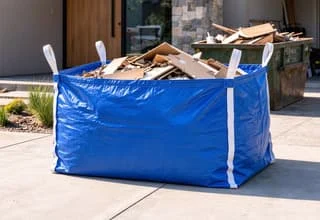
Dumpster Bag
A heavy-duty open-top bag for construction, yard and mixed waste, lifted on four corner loops or a stevedore strap. It…
View product →QINFENG Custom FIBC manufacturer since 2001
For Distributors, Contractors & Municipal Procurement
Empty woven PP bags for locally filled flood barriers. Choose single bulk bags, five-compartment bags or small sandbags, with specifications confirmed around your fill material and handling requirements.
Single & Connected Designs Bulk Supply & OEM Printing Custom Dimensions & Construction
Why Use Flood Control Bulk Bags?
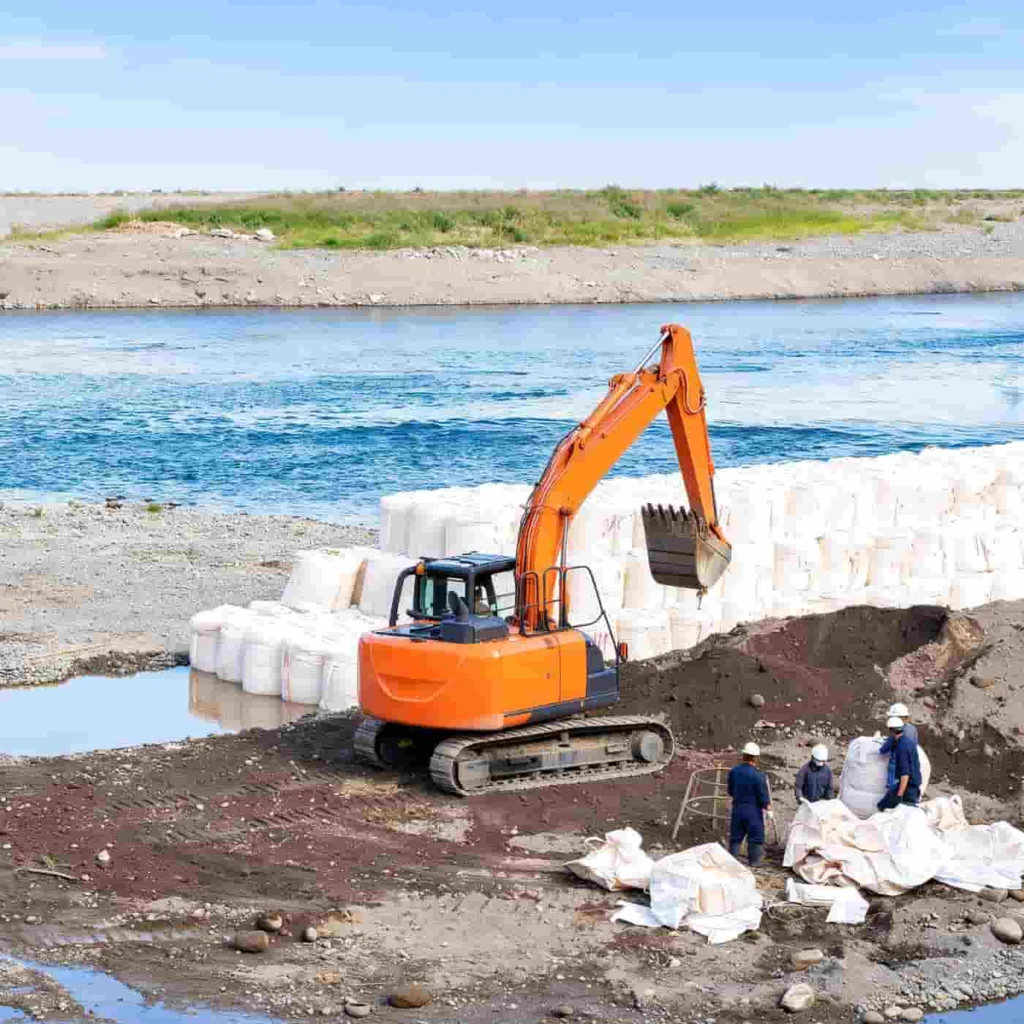
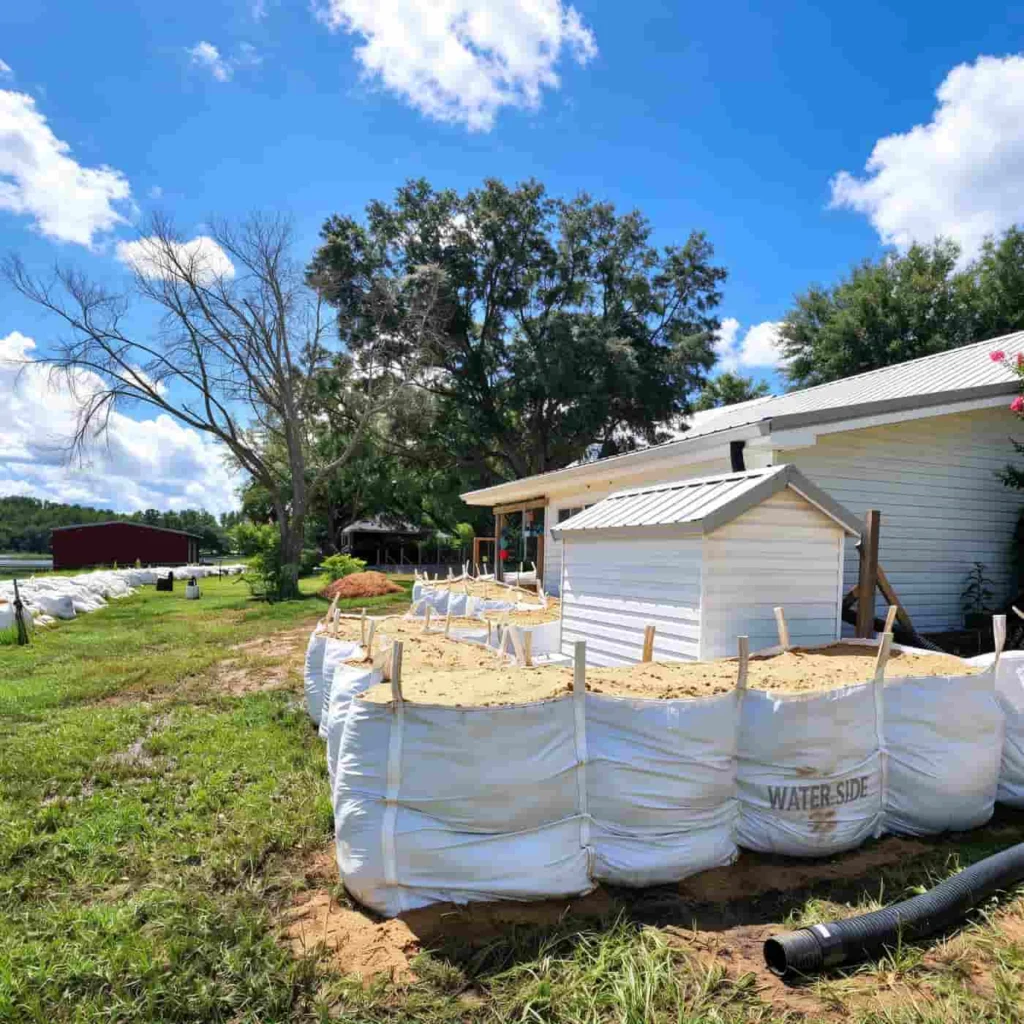
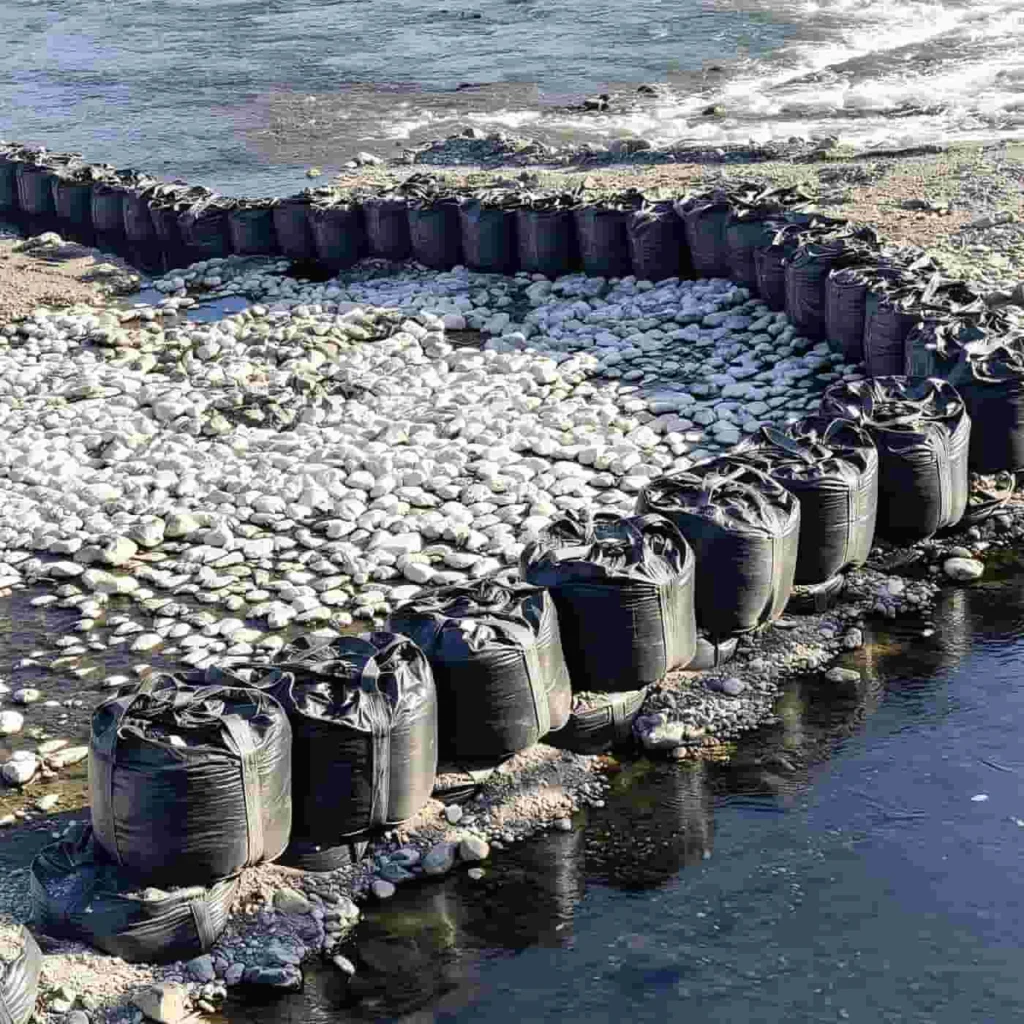
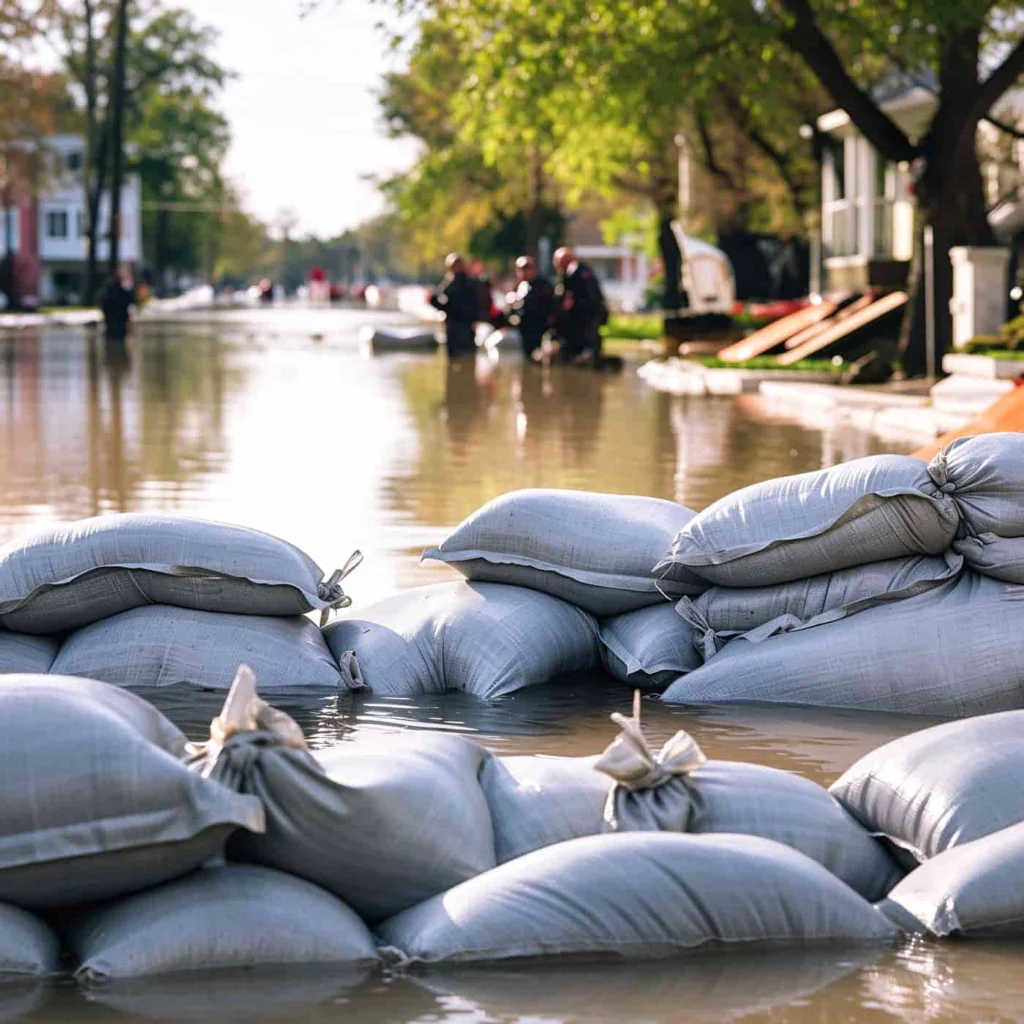
Flood control bulk bags allow crews to work with larger quantities of fill per unit, using suitable filling and handling equipment. Supplied empty and folded, they take up less transport and storage space than pre-filled units.
The right specification starts with your site: the available fill material, target filled weight, equipment and intended handling method. We use these details to confirm the bag dimensions and construction before production.
Choose Your Bag Type
Choose the format around your planned layout, machinery access and filling method.
 01
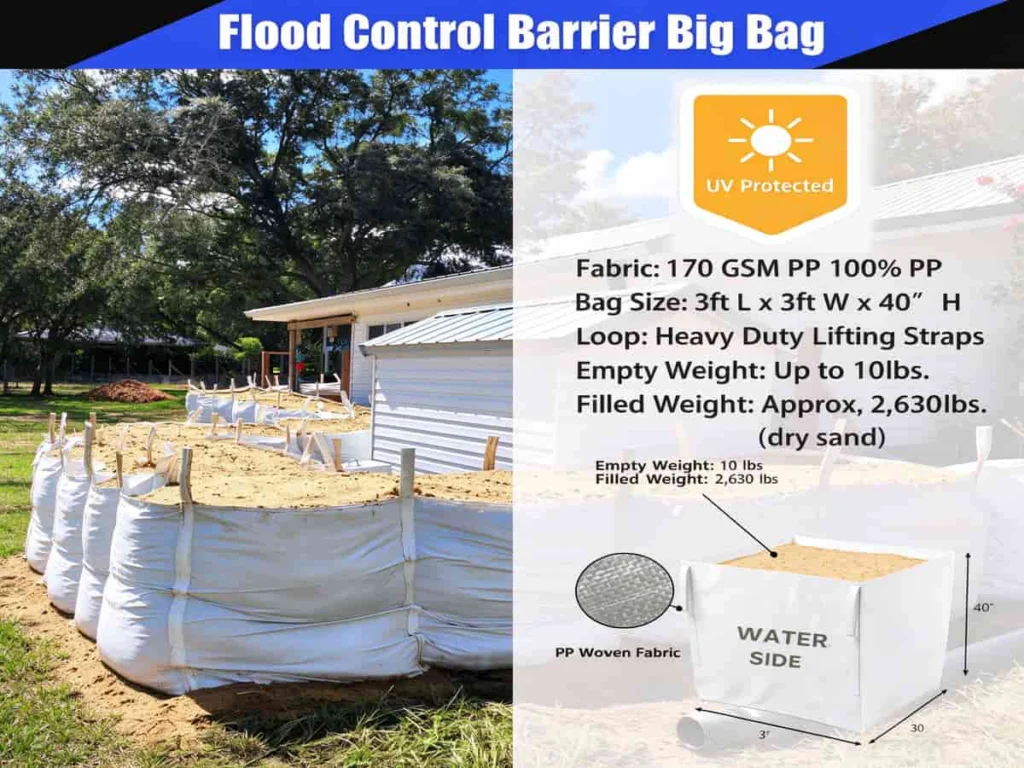
3 ft × 3 ft × 40 in | Approx. 91 × 91 × 102 cm
An individual unit for projects requiring separate filling and handling. Specify the dimensions, target fill weight, top closure and lifting arrangement to suit your operation.
Best suited to: individual placement and shorter or irregular runs.
 02
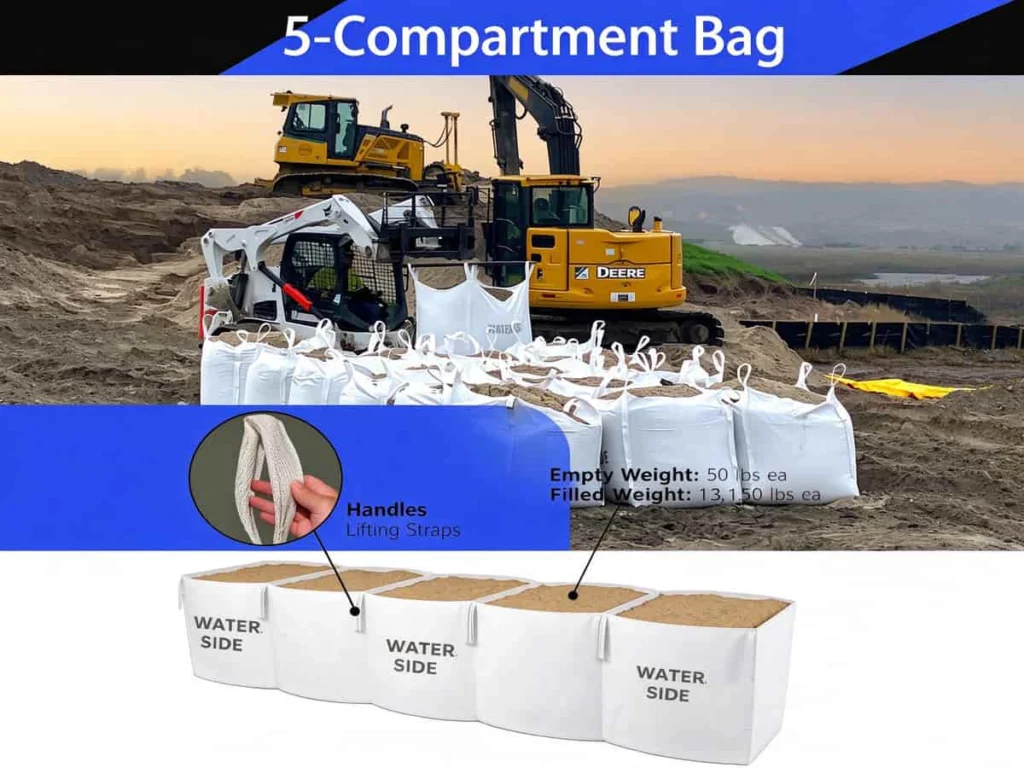
15 ft × 3 ft × 40 in | Approx. 457 × 91 × 102 cm
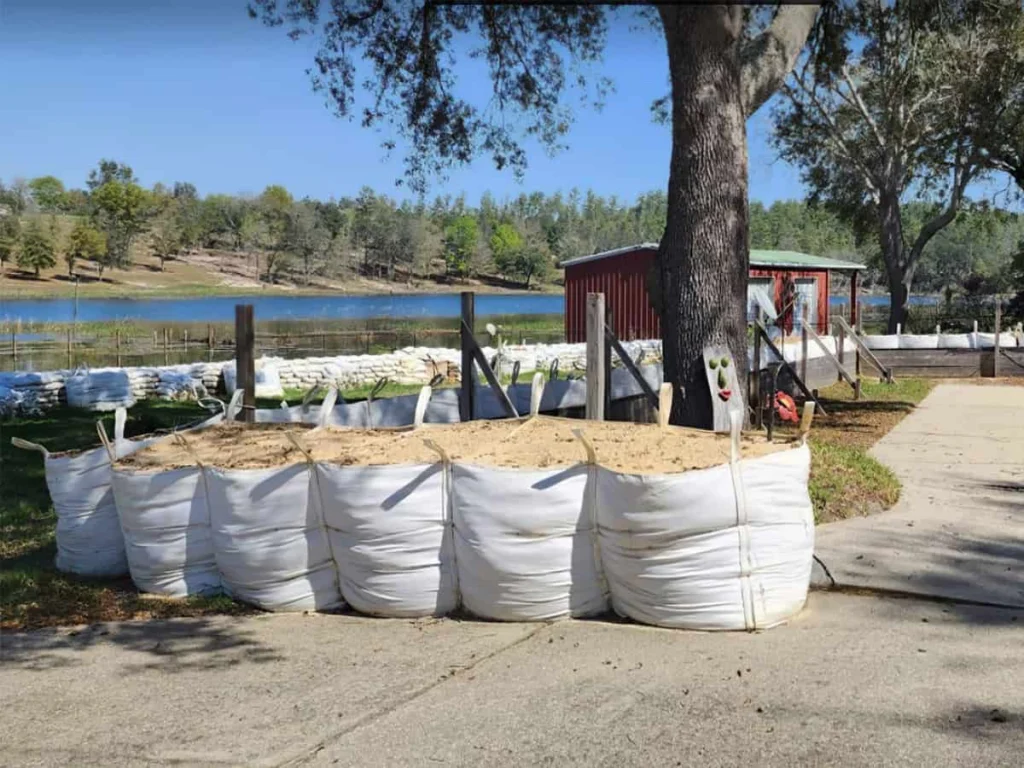
A connected body with five compartments, expanded into position and filled section by section. Filling and handling requirements must be confirmed for the selected design.
Best suited to: longer runs using a connected bag layout.
 03
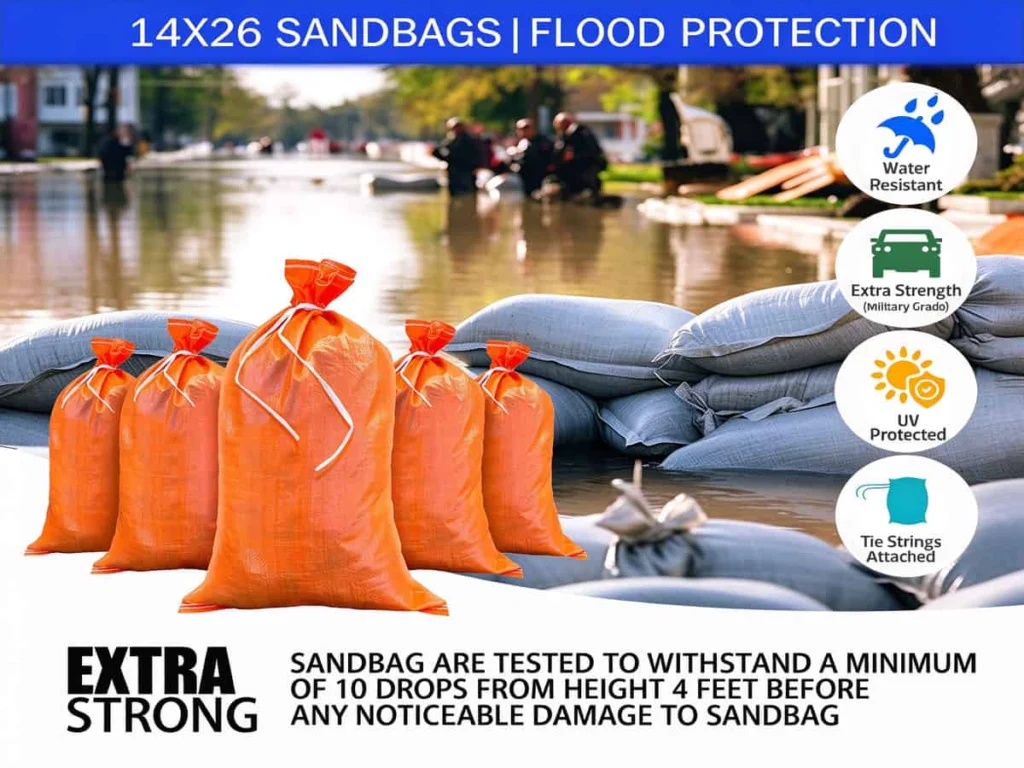
14 in × 26 in | Approx. 36 × 66 cm
A compact tie-string bag for manually placed barriers and detail work where larger bags are less practical.
Best suited to: doorways, corners, gaps and restricted-access locations.
Dimensions shown are reference bag dimensions. Custom sizes can be reviewed on request.
Flood control bag vs sandbag
| Flood Control Bulk Bags | Larger fill volume per unit | Suitable machinery and bag support required | Equipment access needed where filled units are moved | Larger units for the main barrier run | Folded and packed for bulk storage | Removal and disposal depend on design and contamination |
|---|---|---|---|---|---|---|
| Small Sandbags | Smaller, manually handled units | Manual or equipment-assisted filling | Can be carried into restricted areas | Useful for corners, gaps and detail work | Bundled for storage and distribution | Removal and disposal depend on condition and contamination |
| Compared on | Fill per unit | Filling | Placement | Layout | Empty storage | After use |
Both formats may be used within the same project: bulk bags for the main run and smaller sandbags for local adjustments. The final layout should follow the project's site requirements.
Built to the fill weight confirmed for the project rather than to one catalogue number: the single 3 ft bag holds about 1.2 tonnes of dry sand, and the 15 ft five-chamber bag totals about 6 tonnes across its five chambers, so the figure is quoted per bag or per segment. Loop rating and fabric weight follow that figure.
Bag types for a barrier
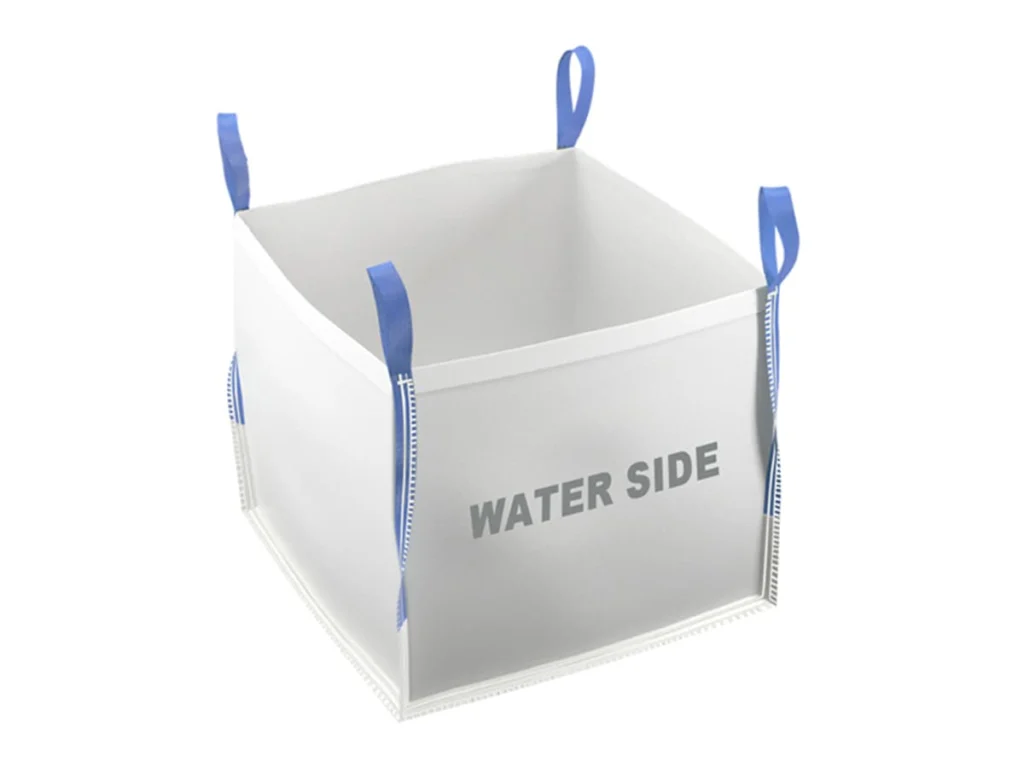
3 ft × 3 ft × 40 in | Approx. 91 × 91 × 102 cm
One chamber, used on shorter runs or to finish off a run of larger bags.
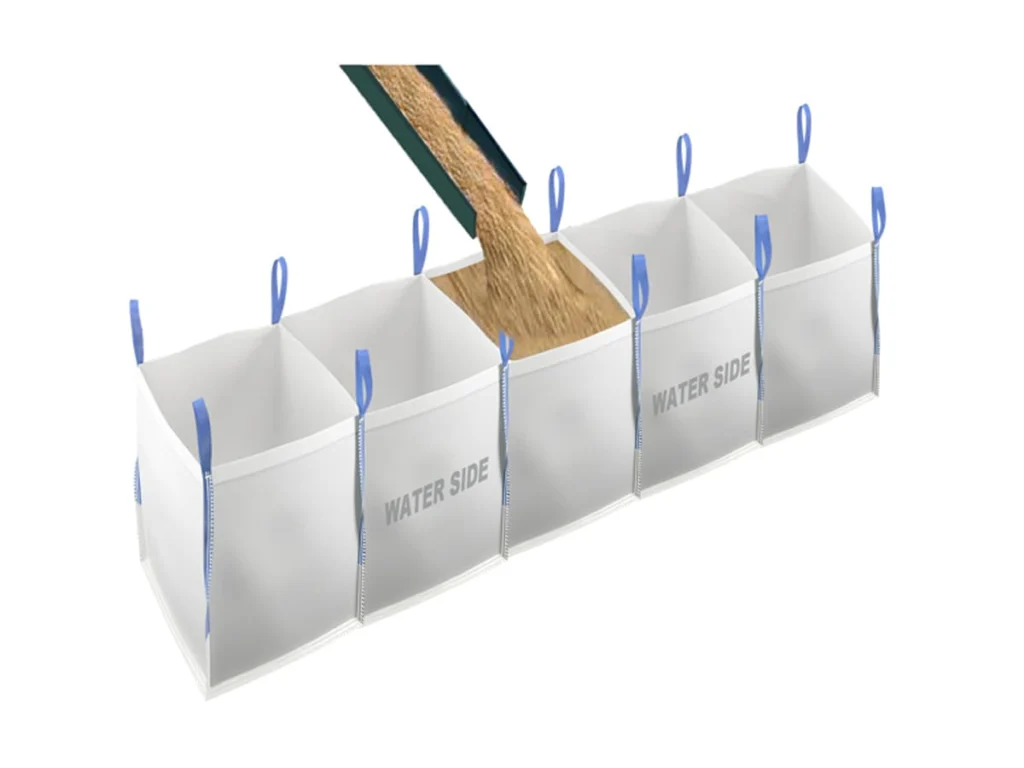
15 ft × 3 ft × 40 in | Approx. 457 × 91 × 102 cm
Five chambers in one body, filled with sand or aggregate so a long barrier keeps its line.
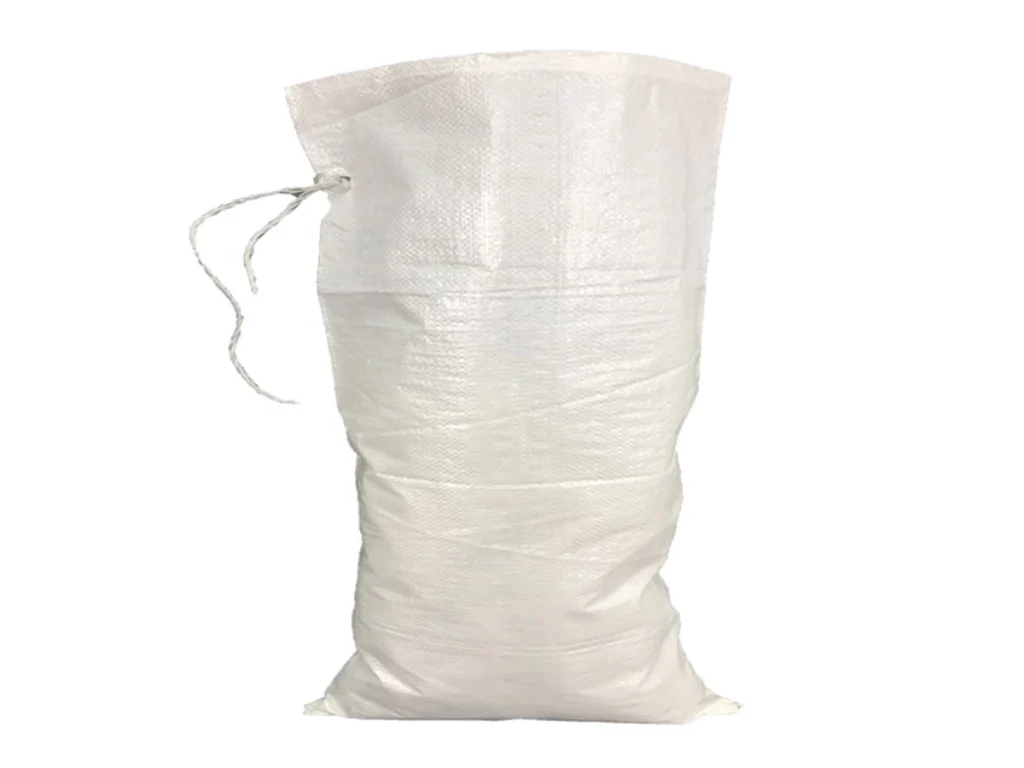
14 in × 26 in | Approx. 36 × 66 cm
Tie-string sandbag with a double chain stitched seam, supplied in white, green, blue or black.
Filled weight varies with the fill material, moisture content and usable volume. Dimensions alone do not establish lifting capacity or flood resistance. The final specification and permitted handling method are confirmed for the selected design.
Made to your spec
Start With What You Already Use.
Send a drawing, specification sheet or photos of your current bag. Include the fill material, target weight and handling method, and we will review the manufacturing requirements for a quotation.
Not sure about the specification? Share your application and available equipment to start the discussion.
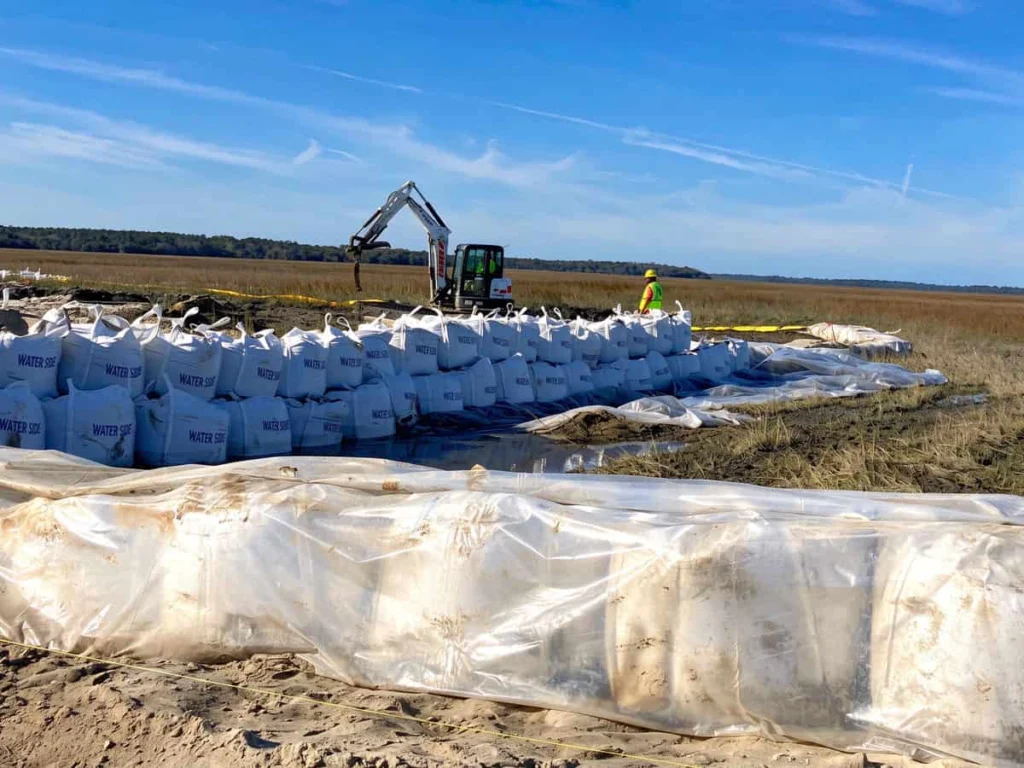
On site
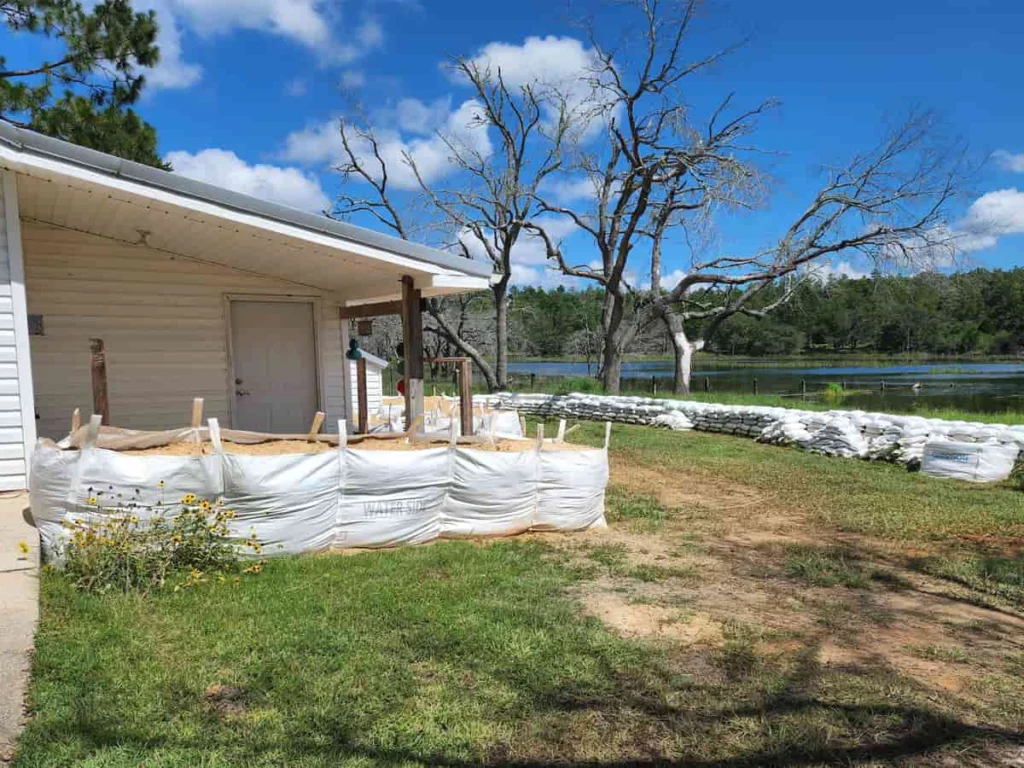
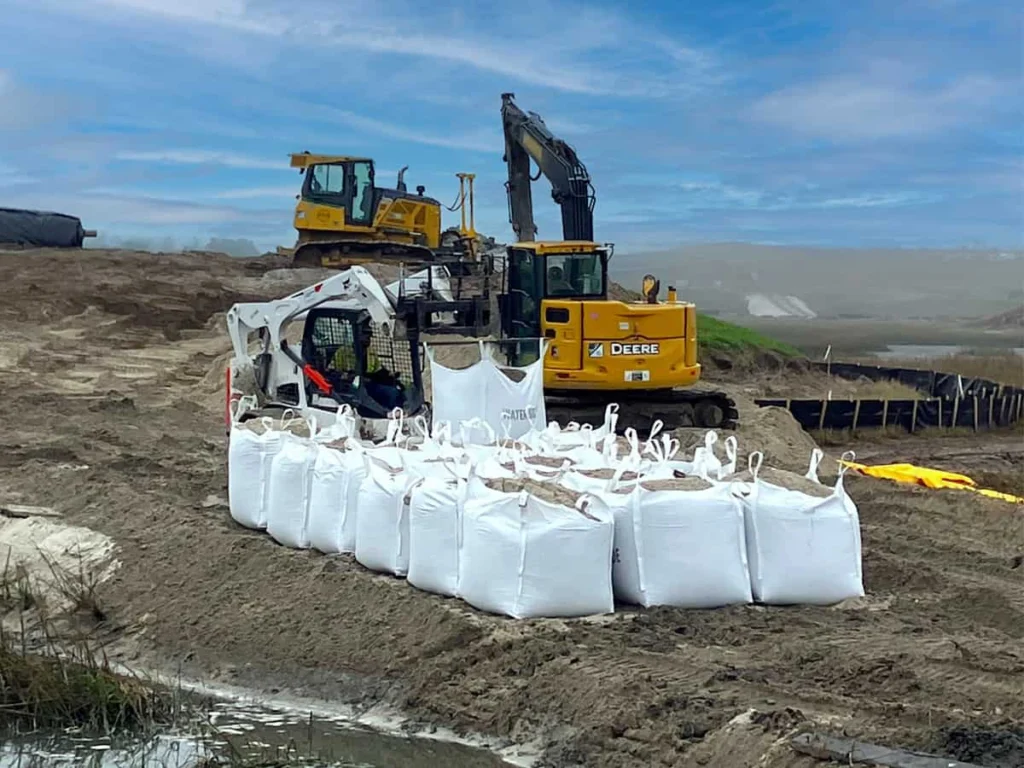
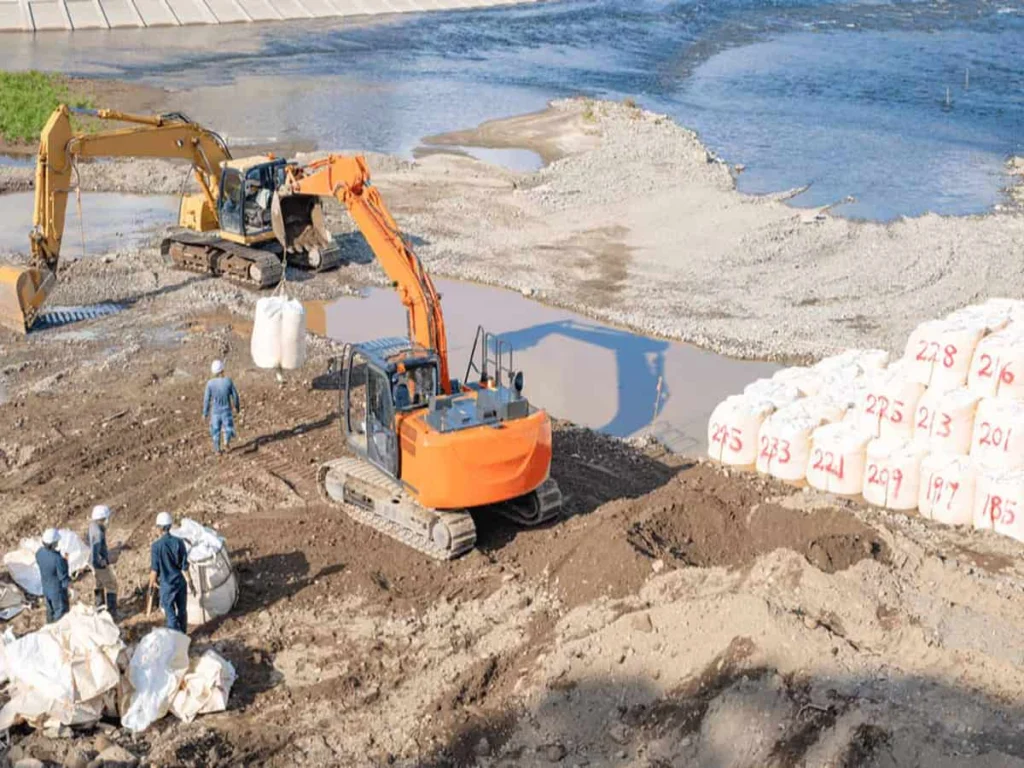
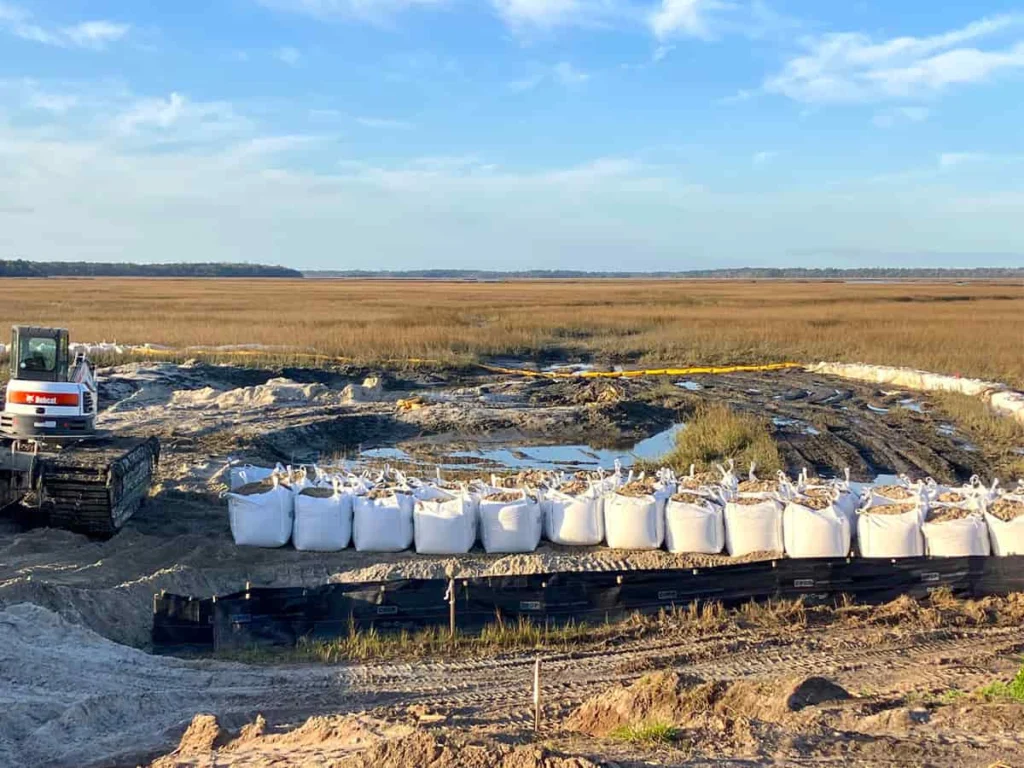
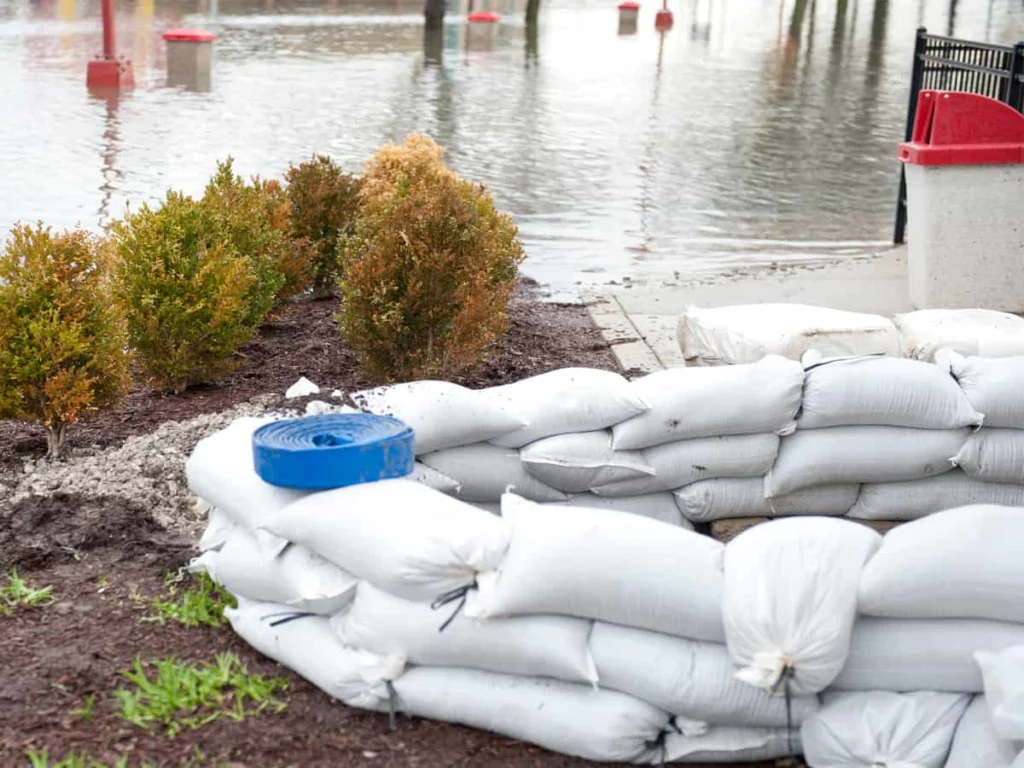
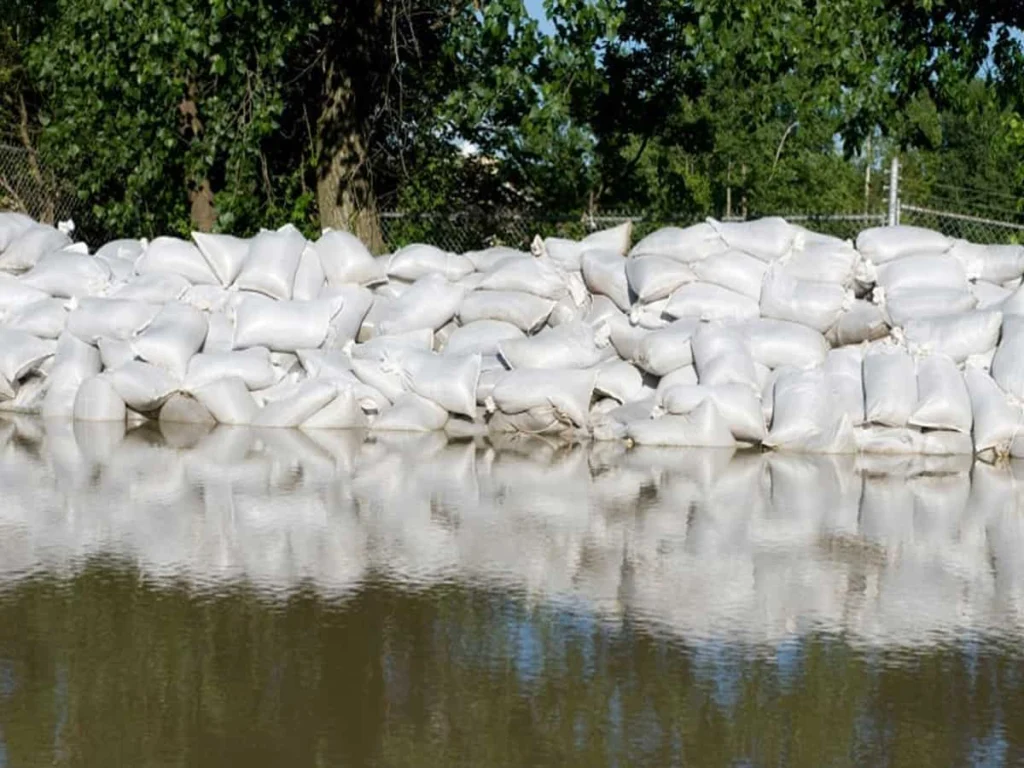
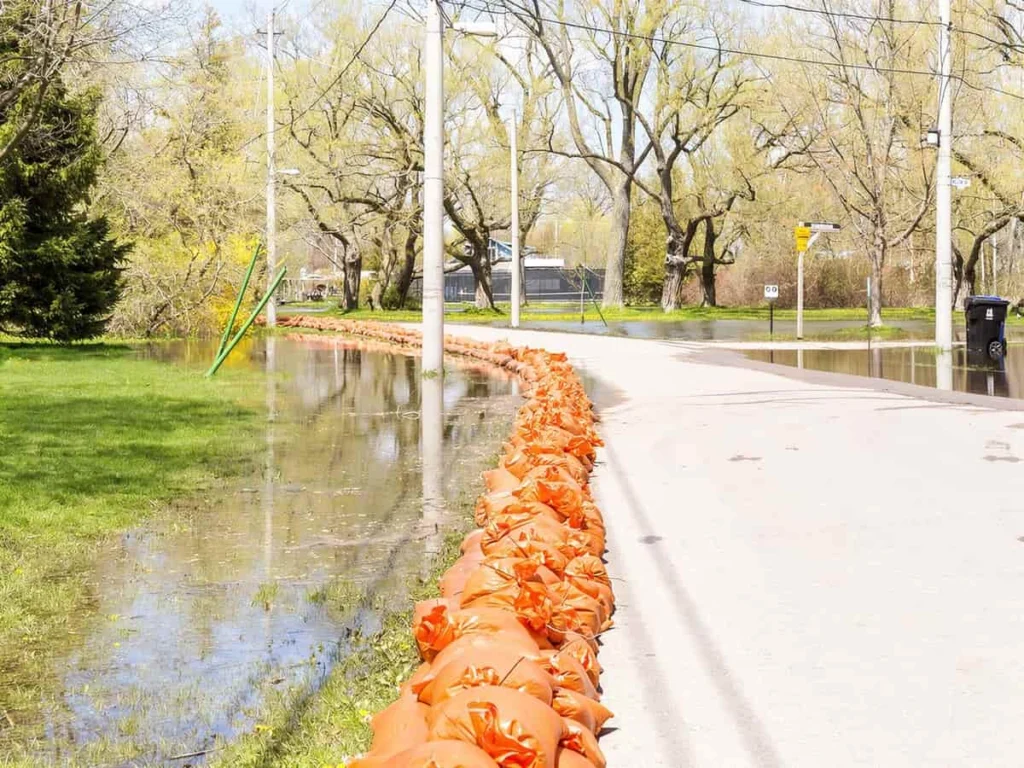
Loading, lifting and standing full — the conditions the specification is written for.
1 / 9
Quality Control
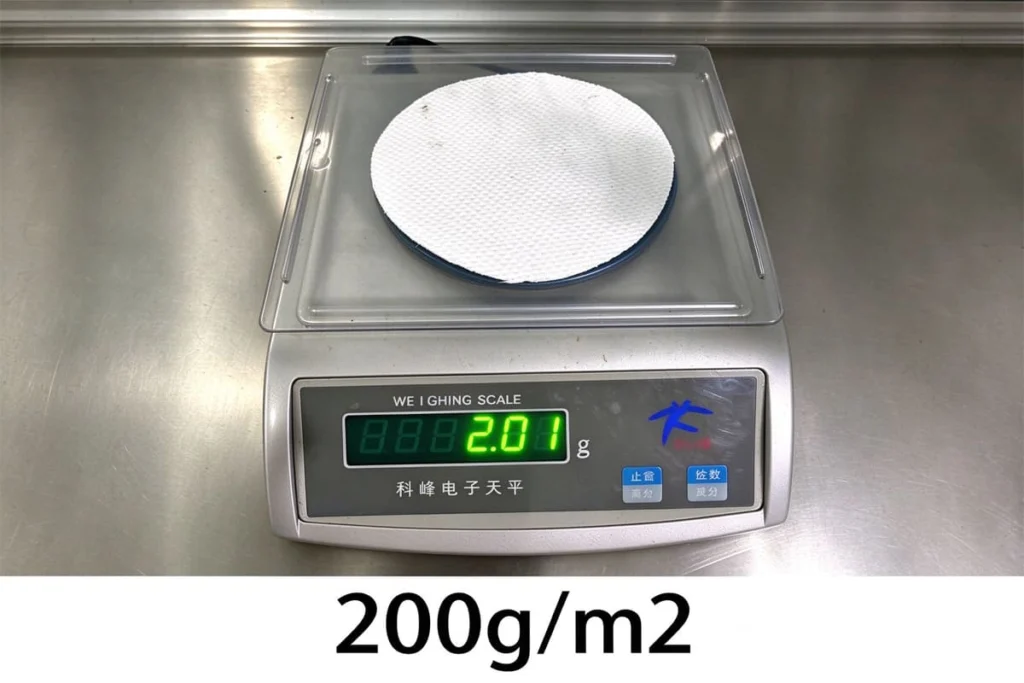
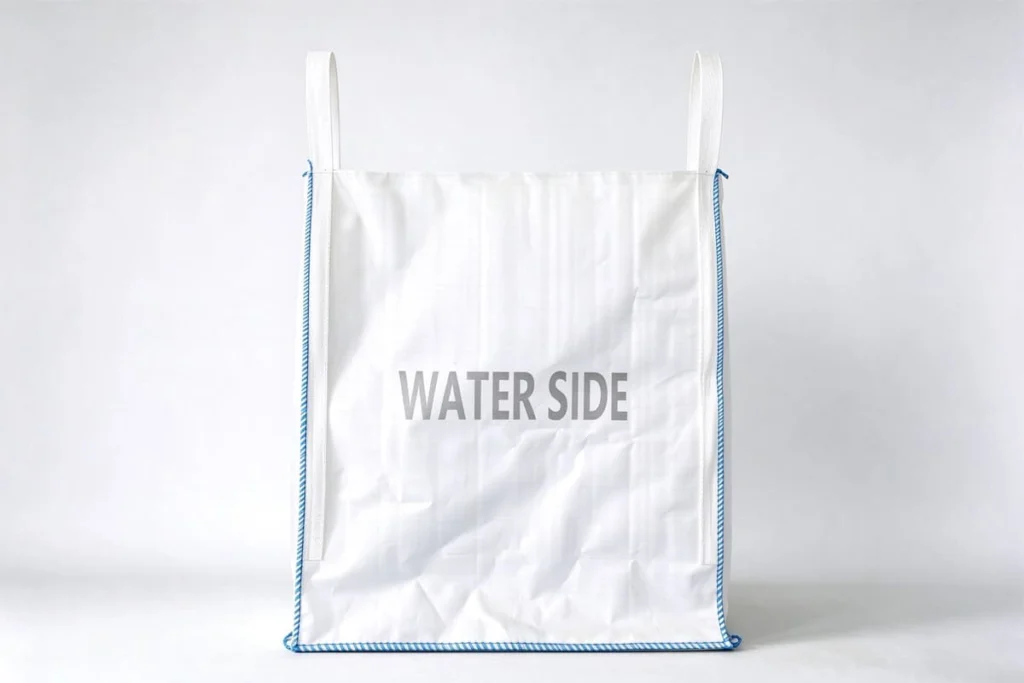
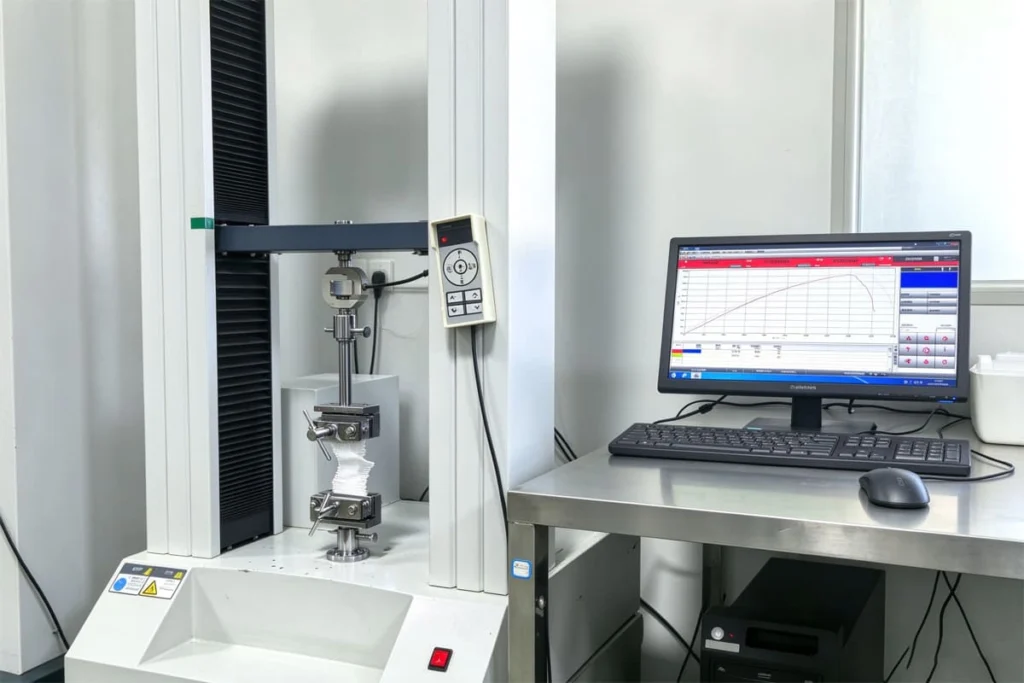
Each production run is checked for fabric weight, seam and loop strength and finished dimensions, and first-piece and final inspection are recorded against the order.
Purchasing FAQ
Empty. The bags are woven and packed folded at the plant, so a container carries far more units than pre-filled bags would; the fill is the sand, gravel or aggregate already at the site, and filling happens where the barrier is needed.
Start from how the barrier gets built. The single 3 ft bag (3 ft × 3 ft × 40 in, approx. 91 × 91 × 102 cm) is for separate filling and placement, or for finishing a run. The five-compartment bag (15 ft × 3 ft × 40 in, approx. 457 × 91 × 102 cm) is one connected body expanded and filled section by section for a longer run. The small sandbag (14 in × 26 in, approx. 36 × 66 cm) is the hand-placed unit for doorways, corners, gaps and restricted access. Machinery access and the filling method usually decide it.
Local granular material: sand, gravel or aggregate. That is the reason for the format — the material is local and the bag is the only thing that has to be delivered. Filled weight follows the fill material, its moisture content and the usable volume, so one bag weighs differently with dry sand and with wet gravel.
The single 3 ft bag holds about 2,630 lb (1,193 kg) of dry sand; the 15 ft five-chamber bag about 13,150 lb (5,965 kg) across its five chambers, roughly 6 tonnes. The small sandbag is hand-filled for detail work. These are dry-sand figures — moisture and the grading of the fill change the weight.
The fabric is woven PP with a lamination, so it sheds water and keeps the fill dry, and the small sandbag is specified as waterproof. A barrier that has to hold standing water against a face needs its lining and construction agreed for that, so say so at the quotation stage and the liner is confirmed with the bag.
The bags are lifted on their four side-seam lifting loops, by a crane, a hoist or a machine rated for the filled weight. The safe working load is set per design: 4,500 lb (2,041 kg) for the single 3 ft bag and 22,500 lb (10,206 kg) for the five-chamber bag. The permitted handling method and the loop rating are confirmed on the drawing before production.
Yes. Filled bags are laid in line and stacked along the run, which is how the barrier is built. How high a stack can go is a site decision: it depends on the fill, the ground, the bag size and how the units were placed. Dimensions alone do not establish a safe retaining height.
The specification carries 2,200 hours of UV protection. Woven PP that stands in sun for longer than that degrades, so tell us the exposure — how long the bags sit outdoors before use and whether they stay in place afterwards — and the UV stabilisation is confirmed for it. Empty stock is stored folded and under cover.
An emptied bag whose fabric, seams and lifting loops are still intact can be filled again; how many cycles it takes depends on the fill, the handling and the exposure. A bag that has held contaminated material is a disposal item rather than a reusable one, and what happens to it follows the rules for that material.
Yes. Dimensions and fill weight, fabric weight and coating, top and closure, and the lifting arrangement are all made to your specification. A drawing, a specification sheet or photographs of the bag you use today are enough to start, and production is checked against that approved version.
Yes. One or two bags are made to the specification you are considering and go out free of charge on a standard specification; a non-standard bag carries a sample cost confirmed separately, and the courier is paid by you. A sample in one of the four standard colours ships within 5–8 days, and a named engineer confirms the bag, the courier cost and the address before anything leaves.
Both follow the order rather than a catalogue number. The minimum quantity depends on the construction and on whether the bag is printed; the production lead time depends on the quantity, the fabric and the line schedule at that moment. Send the bag, the quantity and the destination, and the quotation states the minimum quantity, the unit price and the production lead time before anything is made.
No. Bag dimensions alone do not establish a safe water-retaining height. Barrier performance depends on the layout, ground conditions, fill, seepage control and water conditions. The required protection height and installation arrangement should be assessed for the specific site.
Specialty bags
A heavy-duty open-top bag for construction, yard and mixed waste, lifted on four corner loops or a stevedore strap. It…
View product →
A woven bag with mesh panels or a perforated body so air moves through the load. It is specified for…
View product →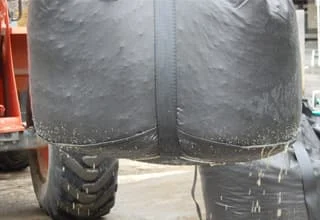
A woven bag made with geotextile fabric so water drains out while the solids stay in. It is sized from…
View product →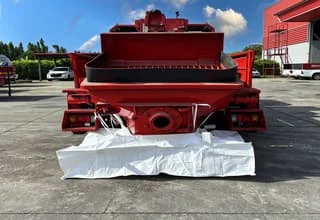
A fabric bag placed where concrete wagons are washed out, so solids settle and the water can be handled separately.…
View product →Discuss a reference sample, drawing or proposed construction.
Discuss a Sample →Confirm the checks and documentation required for your order.
Review Quality Requirements →Discuss packing quantities, destination and shipment planning.
Discuss Your Shipment →/ Request a bulk quote
Send your bag type, quantity, destination and available specification. We will review the manufacturing requirements and confirm pricing, packing and lead time.